Engineered Capabilities of Coated Non-Wovens
We offer a versatile range of coated non-wovens engineered for highly specialized functional performance.
Polymer-Based Coatings
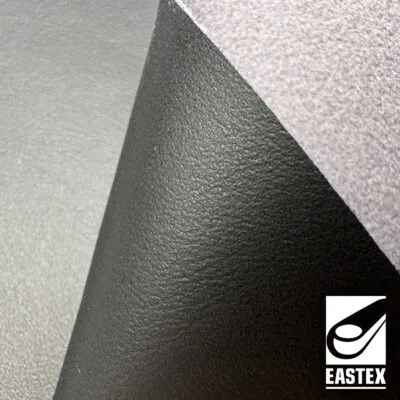
Our team applies advanced compounds directly to the non-woven substrates. Options like polyurethane (PU), silicone, and acrylic transform standard fibers into high-performance protective barriers with precise functional enhancements.
Structural Consistency and Scalability
The lack of interlaced yarns gives these materials a uniform and lightweight structure. This consistency provides a scalable and cost-efficient alternative to heavier textiles while keeping the material’s integrity completely intact.
Targeted Functional Defenses
We engineer our materials to possess highly specific protective attributes. Product developers can source textiles with critical defenses like flame retardancy, UV resistance, anti-static behavior, and robust antimicrobial action for safety-critical environments.
What Benefits Make Manufacturers Choose Non-Woven Substrates?
By combining lightweight substrates with specialized finishes, coated non-wovens offer significant operational advantages.
Durable Abrasion Resistance
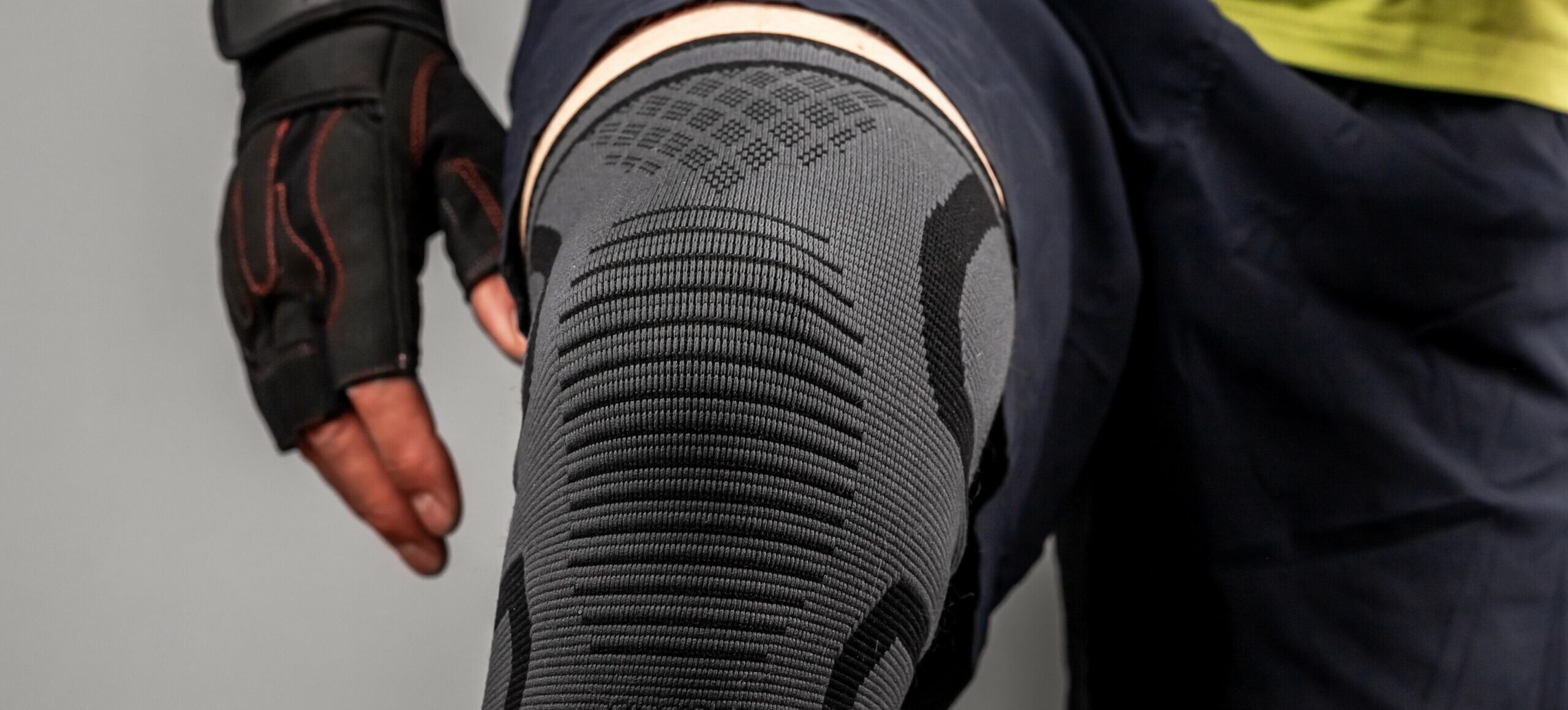
The specialized protective coatings reinforce the base fibers so they resist tears, scuffs, and mechanical wear. This extreme durability guarantees reliable performance for industrial covers, travel accessories, and heavy-duty work gear.
Waterproof and Fluid-Proof Barriers
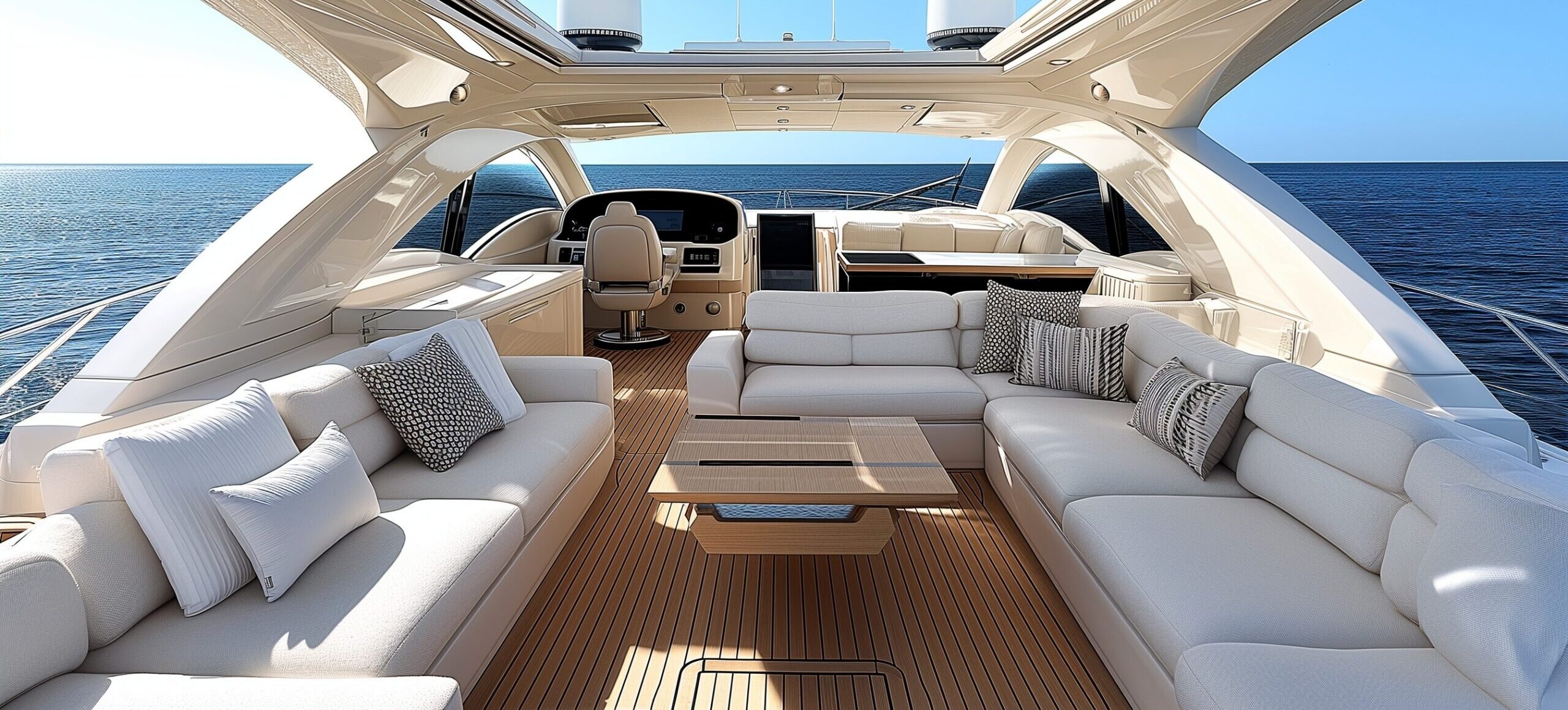
A coated surface forms a strong barrier against water, oils, and hazardous chemicals. Medical drapes, marine seating, and outdoor canopies exposed to the elements require this exact type of fluid-proof reliability.
Enhanced Texture and Aesthetics
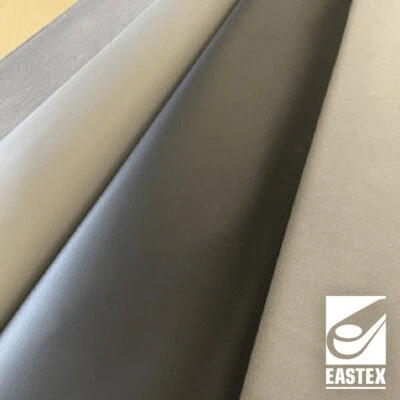
These textiles do more than just provide functional protection. They also offer smooth, matte, glossy, or tactile finishes. This visual appeal is an excellent fit for premium packaging, interior panels, and branded accessories.
Cost-Efficient Production
The lightweight structure and versatile processing of these fabrics give manufacturers a high-performance and economical alternative to heavier woven options. This efficiency works particularly well for mass-produced disposable products and modular designs.
Specialized Substrate Bonding & Polymer Coating Processes
Eastex utilizes precise engineering to unite strong base fibers with functional surface layers.
Substrate Bonding
We create the foundation of the fabric by bonding fibers together through precise chemical, mechanical, or thermal processes. This establishes a strong and consistent base layer before any coating enters the equation.
Precision Coating Application
The next step is applying advanced polymer compounds directly to the bonded substrate. Our technical team ensures the precise pairing of the base material and the top coating to meet your exact functional requirements.
Curing and Solidification
The applied coating dries and cures until it solidifies into a durable and protective finish. This final step locks in the specific qualities of the material like waterproofing or fire resistance.