Coated Woven Fabrics
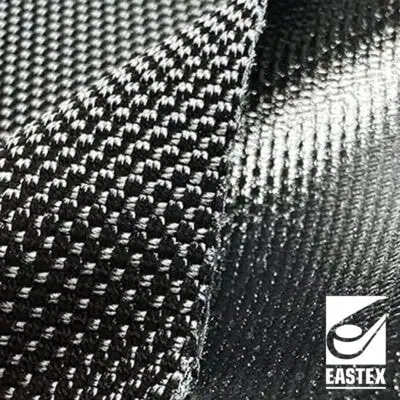
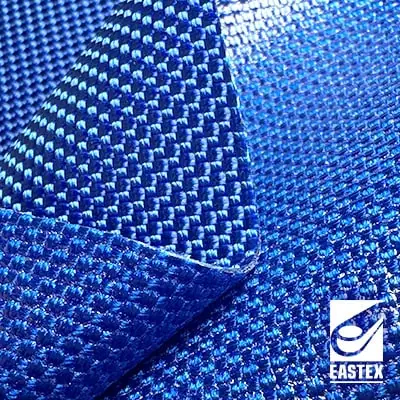
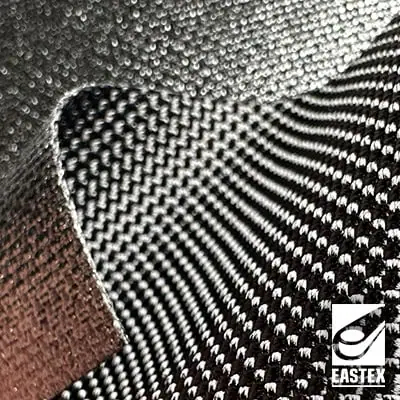
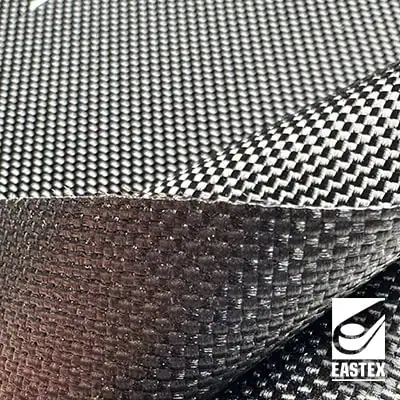
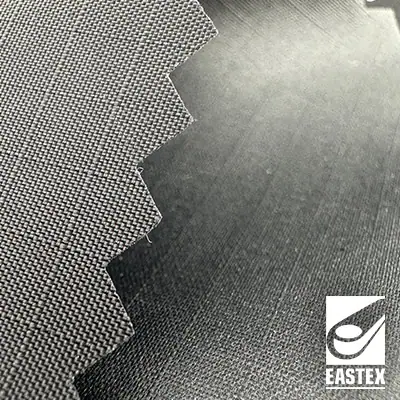
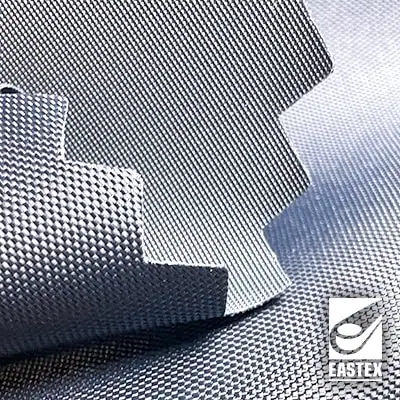
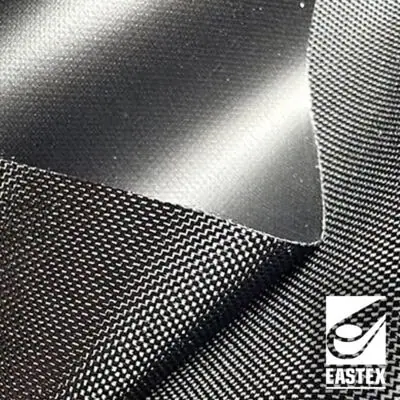
Eastex coated woven fabrics offer the inherent strength and stability of woven substrates, significantly enhanced by specialized coatings. This combination creates highly durable, functional textiles with properties such as superior water resistance, abrasion resistance, improved aesthetics, and tailored breathability.
From rugged outdoor gear to critical industrial components, our coated woven fabrics deliver robust performance designed for demanding environments.
What Are Coated Woven Fabrics?
Coated woven fabrics can be best understood by breaking down their two core components. At their foundation lies a woven structure—interlaced yarns designed to deliver strength, dimensional stability, and structure. These woven bases bring valuable qualities such as breathability and durability. However, it’s the applied coating that elevates their functionality.
Various coatings—including polyurethane (PU), polyvinyl chloride (PVC), silicone, fluorocarbons, and others—can be layered onto the fabric surface to introduce specialized performance features. Depending on the coating used, properties like water resistance, chemical resistance, flame retardancy, or flexibility can be achieved, making coated woven fabrics highly versatile across countless industrial and commercial applications.
At Eastex, we offer several different forms of coating, including knife coating, roll coating, hot meld extrusion and more.
How Coatings Enhance Woven Fabrics
These various coatings can be applied to woven fabrics to enhance them in several different ways depending on the need:
- Waterproofing and water repellant: Coatings can provide different levels of fluid resistance, ranging from water repellency to complete waterproofing. This is achieved by creating a barrier on the surface of the fabric that prevents liquid from penetrating and soaking into the fibers.
- Abrasion resistance: Coatings can also improve the durability and strength of woven fabrics, making them more resistant to wear and tear.
- Improved hand and drape: Coatings often impact the texture of a fabric, plus how the fabric lays and folds. They can be used to create crisp, stiff fabrics or soft, pliable ones depending on the desired effect.
- Printability and aesthetics: For various branding or visual appeal needs, coatings can be used to enhance the appearance of a fabric. This can include adding glossy or matte finishes, creating specific patterns or designs, and incorporating special effects like iridescence.
- Chemical resistance: If your fabric requires protection against certain chemicals, coatings can be applied to create a barrier that prevents damage or staining. This is particularly useful in industries such as healthcare or food service where fabrics may come into contact with potentially harmful substances.
- Antimicrobial: To prevent the growth of bacteria and other microorganisms, antimicrobial coatings can be applied to fabrics. This is important in environments where hygiene is crucial, such as hospitals or restaurants.
- Flame retardancy: Coatings can also be applied to fabrics to make them less flammable. This is important in industries such as aerospace or transportation, where fire safety is a top priority.
Showing all 14 results